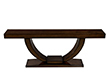
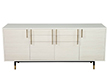
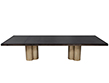
Custom furniture is furniture designed and crafted specifically for a space, lifestyle, or personal vision rather than mass-produced to standard dimensions. Unlike off-the-shelf furnishings, custom furniture allows for complete personalization, from proportions and finishes to materials, detailing, and functionality. It is often created through close collaboration between client, designer, and artisan, resulting in pieces that feel deeply connected to the architecture and atmosphere of a home.
At its highest level, luxury custom furniture combines refined design with handcrafted construction. Dimensions are tailored to the room, materials are carefully selected for beauty and longevity, and every detail is considered with intention. Whether it is a sculptural dining table, a bespoke media console, or a tailored upholstered bed, custom furniture transforms interiors into more personal, cohesive environments.
For homeowners and designers alike, custom furniture offers more than flexibility. It creates individuality through furniture designed around the way people live, gather, and experience their spaces. Pieces become architectural elements rather than temporary décor, balancing timeless craftsmanship with modern functionality.
The most memorable interiors rarely feel assembled from a catalogue. They feel layered, intentional, and deeply connected to the people who live within them. Personalized furniture plays a defining role in creating that sense of authenticity, allowing each room to reflect individual taste, lifestyle, and architectural character.
Luxury custom furniture is designed around the nuances of a space rather than forcing a room to adapt to predetermined dimensions. A dining table may be proportioned to preserve openness within a condo, while a sectional can be configured to frame conversation within an expansive living area. Every decision, from silhouette to finish, contributes to visual harmony and functionality.
Beyond aesthetics, custom-built furniture creates an emotional connection. A handcrafted credenza designed for a specific home carries a different presence than something mass-produced. Materials age alongside the interior, finishes develop character over time, and the furniture becomes woven into everyday life.
Bespoke furniture also allows interiors to feel cohesive. Designers can coordinate wood tones, upholstery, metal finishes, and proportions across multiple rooms, creating continuity that feels sophisticated rather than repetitive. The result is an environment that feels curated rather than decorated.
The Difference Between Handcrafted Furniture and Mass Production
Handcrafted furniture reflects a fundamentally different philosophy from mass production. Rather than being built for speed and volume, handcrafted pieces are created with precision, artistry, and attention to detail. These qualities shape not only how furniture looks, but also how it performs and ages over time.
Mass-produced furniture is typically standardized, manufactured in large quantities, and designed around efficiency. While convenient, it often prioritizes cost reduction over individuality, resulting in generic proportions, lower-grade materials, and limited longevity.
Handcrafted furniture, by contrast, is built through traditional methods that emphasize craftsmanship and durability. Artisans shape, assemble, and finish each piece individually, allowing for subtle refinements that machines cannot replicate. Joinery is carefully executed, finishes are hand-applied, and construction methods are chosen for both beauty and structural integrity.
Material selection also plays a significant role. In luxury custom furniture, premium veneers are widely respected and used throughout fine furniture making. Veneers allow artisans to achieve intricate grain patterns, visual consistency, and dimensional stability that solid wood alone cannot always provide. Contrary to common misconception, veneers are not indicative of lower quality. Many important antiques and collectible furniture pieces rely on veneers precisely because they allow for exceptional artistry and long-term performance.
Another distinction lies in longevity and repairability. Custom-made furniture is often designed to be refinished, restored, or reupholstered over decades of use. Rather than being disposable, these pieces evolve with the home, developing richness and patina that mass-market furnishings rarely achieve.
This craftsmanship-driven approach transforms furniture into something more enduring: investment-quality pieces valued for their individuality, material integrity, and timeless presence.
Creating custom furniture is a collaborative process that balances design vision, craftsmanship, and technical precision. Each stage contributes to a finished piece that feels intentional, architectural, and uniquely connected to the space it inhabits.
The process begins with consultation and discovery. Designers and artisans work closely with homeowners or trade professionals to understand the room, lifestyle needs, and aesthetic direction. Measurements, architectural details, and surrounding materials are carefully considered to ensure the furniture complements the environment naturally.
From there, concept development begins. Proportions are refined, silhouettes are explored, and functionality is tailored to the way the piece will be used. In custom furniture design, even subtle adjustments, like seat depth, table scale, storage configuration, or edge detailing, can significantly influence comfort and visual balance.
Material selection follows, shaping both the character and longevity of the furniture. Woods, veneers, stone, metals, upholstery, and finishes are chosen not only for appearance, but for durability and tactile richness. This stage allows clients to personalize every detail while maintaining a cohesive design language.
Construction is then completed by artisans using handcrafted production methods. Rather than relying on automated fabrication, pieces are meticulously measured, cut, assembled, and finished by hand. Joinery, finishing techniques, and upholstery details receive individual attention throughout the process.
The final stages involve finishing, inspection, and delivery. Hand-applied stains, lacquers, and protective finishes enhance depth and texture while preserving the integrity of the materials. Once completed, the furniture is carefully delivered and installed, becoming part of the architecture of the home rather than simply occupying space within it.
For many homeowners and designers seeking custom furniture in Toronto, the experience itself becomes part of the value. The experience allows homeowners and designers to collaborate directly with artisans and create something genuinely one of a kind.
Material Selections That Influence Character and Longevity
Materials define far more than appearance. They influence texture, atmosphere, durability, and the way furniture matures over time. In handcrafted furniture, every selection contributes to the emotional and visual character of a piece.
Walnut offers warmth and depth, while oak introduces natural texture and architectural presence. Marble adds refinement and permanence, brass develops richness through age, and lacquered finishes create smooth, contemporary surfaces that reflect light beautifully. Upholstery materials, ranging from textured bouclé to supple leather, shape comfort and tactile experience.
Premium veneers also play an essential role in luxury furniture materials. In fine furniture making, veneers are respected for their ability to showcase rare wood grains while improving structural stability. Exotic veneers such as Macassar ebony allow artisans to create dramatic visual movement and intricate matching patterns impossible with solid lumber alone.
The finest materials are selected not simply for trend, but for longevity, craftsmanship potential, and the atmosphere they create within a room.
Why Scale Changes the Feel of a Room
Scale is one of the most overlooked aspects of interior design, yet it profoundly influences how a space feels and functions. Furniture that is too large can overwhelm a room, while undersized pieces may leave interiors feeling disconnected or unfinished.
Thoughtful proportions create visual balance and improve flow. A dining table should allow comfortable circulation around seating. Sofas should anchor a living room without blocking openness. Ceiling height, window placement, and architectural lines all influence ideal furniture dimensions.
Custom furniture for modern homes allows scale to be adjusted precisely to the space. This is especially important in urban condos, open-concept interiors, and architecturally unique homes where standard furniture dimensions often feel limiting.
When proportions are carefully considered, rooms feel calmer, more functional, and visually harmonious. Furniture becomes integrated into the architecture rather than competing with it.
Designing Furniture Around the Way You Live
Modern living demands flexibility. Homes today often function as gathering spaces, workplaces, entertainment areas, and quiet retreats simultaneously. Custom furniture design allows interiors to adapt to these evolving lifestyles with greater intention and sophistication.
In urban condos, maximizing scale and storage is essential. Built-in banquettes, compact dining tables, and multifunctional cabinetry help preserve openness without sacrificing functionality. In larger homes, custom furnishings can create structure within expansive open-concept layouts, defining conversation areas while maintaining visual continuity.
Lifestyle also shapes how furniture is experienced daily. Families may require durable upholstery and integrated storage solutions, while avid entertainers often prioritize dining tables designed for larger gatherings and seamless seating flow. Home offices increasingly benefit from custom dimensions that balance productivity with residential warmth.
Custom furniture also solves architectural challenges that standard furnishings cannot easily address. Awkward alcoves, narrow rooms, unusual ceiling heights, or unconventional layouts often require tailored solutions to feel cohesive and comfortable. Bespoke proportions allow furniture to work with the architecture rather than against it.
Beyond practicality, personalized furnishings create interiors that feel emotionally connected to the people living within them. Every detail, from finish selection to storage configuration, reflects habits, routines, and aesthetic preferences unique to the homeowner.
Explore sophisticated office furniture and curated home accents that layer naturally within custom-designed interiors.
Signature Furniture Pieces That Define a Home
Certain furniture pieces shape the atmosphere of a home more profoundly than others. These statement elements influence how rooms function, how people gather, and how interiors are remembered. Through scale, materiality, and craftsmanship, they establish visual identity while grounding everyday living.
Dining Spaces Designed for Gathering
Dining rooms often serve as the emotional centre of a home, shaping moments of conversation, celebration, and connection. Custom dining tables allow dimensions, finishes, and silhouettes to be tailored precisely to the room and the way people gather within it.
Sculptural bases, richly figured veneers, and thoughtfully proportioned seating create balance between functionality and atmosphere. Whether designed for intimate family dinners or larger entertaining spaces, luxury dining tables contribute warmth, rhythm, and architectural presence to the interior.
Living Rooms with Architectural Presence
Living rooms benefit from furniture that feels layered and substantial without overwhelming the space. Custom living room furniture allows seating arrangements, media units, and coffee tables to feel integrated with the architecture rather than visually disconnected.
Sculptural silhouettes, warm materials, and refined detailing create a sense of permanence and comfort. Statement coffee tables, textured upholstery, and tailored cabinetry help establish a room that feels collected, sophisticated, and inviting.
Workspaces Designed with Warmth and Function
Today’s home offices benefit from furniture that supports productivity while maintaining residential warmth. Custom office furniture allows for integrated storage, thoughtful proportions, and finishes that complement the surrounding architecture.
Rich wood veneers, organized layouts, and calming materials help transform workspaces into environments that feel composed rather than utilitarian. Tailored desks and cabinetry also allow homeowners to maximize efficiency without compromising aesthetic cohesion.
Bedrooms That Feel Collected and Calm
Bedrooms should feel restorative and balanced. Custom bedroom furniture allows every proportion, from bed height to storage scale, to contribute to comfort and visual calm.
Integrated nightstands, layered materials, upholstered headboards, and carefully selected finishes create spaces that feel cohesive and serene. Rather than relying on matching sets, personalized furniture allows bedrooms to feel curated and deeply individual.
Furniture Styles That Continue to Influence Luxury Interiors
Luxury interiors are often shaped by enduring design movements that continue to evolve across generations. While trends come and go, certain furniture styles retain relevance because of their balance, craftsmanship, and architectural character.
Art Deco remains admired for its sculptural geometry, rich finishes, and glamorous detailing. Mid-century modern furniture continues to influence contemporary interiors through clean lines, organic forms, and restrained elegance. Contemporary European design introduces minimalism and refined proportions, while transitional interiors balance classic craftsmanship with modern simplicity.
Custom furniture allows these influences to be interpreted in more personal ways. A dining table may incorporate Art Deco-inspired curves with contemporary materials, while a media console might blend mid-century warmth with modern architectural detailing. Rather than replicating historical styles exactly, bespoke furniture adapts timeless influences to suit evolving interiors and lifestyles.
This flexibility is one of the defining strengths of luxury custom furniture. Pieces can be designed to complement heritage homes, minimalist condominiums, or layered transitional interiors while maintaining cohesion throughout the space.
As architecture and personal aesthetics evolve, custom furniture continues to bridge tradition and innovation, creating interiors that feel current without becoming temporary.
Why Handcrafted Furniture Ages Differently Over Time
Handcrafted furniture develops character in ways mass-produced furnishings rarely achieve. Materials soften, finishes deepen, and surfaces acquire subtle patina through years of use. Rather than deteriorating, well-crafted pieces often become more visually compelling over time.
This longevity begins with construction quality. Carefully executed joinery, premium materials, and hand-applied finishes allow furniture to withstand daily use while maintaining structural integrity. Minor wear becomes part of the story of the piece rather than a flaw to conceal.
Custom-built furniture is also designed with restoration potential in mind. Finishes can often be refreshed, upholstery replaced, and surfaces refinished without compromising craftsmanship. This ability to evolve extends the lifespan of furniture significantly, making it more sustainable and meaningful over decades.
In contrast to disposable furniture culture, handcrafted furniture encourages long-term ownership. Pieces become associated with gatherings, homes, and personal history, often passing between generations while retaining their relevance and beauty.
Frequently Asked Questions About Custom Furniture
Custom furniture offers long-term value through craftsmanship, durability, personalization, and timeless design. Rather than replacing furnishings frequently, many homeowners invest in pieces designed to evolve with their interiors over decades.
Timelines vary depending on complexity, materials, and finishing requirements. Most handcrafted furniture projects require several weeks to several months, particularly when artisan detailing and specialized finishes are involved.
The best materials depend on both aesthetic and functional goals. Walnut, oak, marble, brass, lacquered finishes, premium veneers, and high-quality upholstery materials are commonly used in luxury custom furniture because of their durability and visual richness.
Yes. Custom furniture is especially valuable in smaller homes and condos because dimensions can be tailored precisely to preserve flow, maximize storage, and improve functionality without overcrowding the space.
Custom furniture generally refers to furniture tailored through selectable dimensions, finishes, or materials. Bespoke furniture often implies a more fully individualized design process where every aspect of the piece is created specifically for the client from concept onward.
Handcrafted furniture is often built with stronger construction methods, premium materials, and repairability in mind. With proper care, many handcrafted pieces can last for generations while developing greater character over time.
Create a More Personal Interior with Carrocel Custom Furniture
For more than four decades, Carrocel has created interiors defined by craftsmanship, individuality, and timeless design. Combining a curated luxury showroom with an active artisan workshop, Carrocel approaches furniture as both functional design and collectible artistry.
Every custom piece begins with collaboration. From tailored dimensions and premium materials to refined finishes and handcrafted detailing, the process is designed to create furniture that feels deeply connected to the architecture and atmosphere of a home. Rather than following trends, Carrocel focuses on enduring design rooted in proportion, material integrity, and artisanal craftsmanship.
As a destination for luxury custom furniture in Toronto, Carrocel works closely with homeowners, interior designers, and collectors seeking one-of-a-kind furnishings that cannot be easily replicated. Whether creating a sculptural dining table, a tailored media console, or a fully personalized interior collection, each project reflects a commitment to thoughtful craftsmanship and elevated living.
Experience a One-of-a-Kind Collection of Fine Furniture
Our 40,000 square-foot showroom in Toronto will captivate you time and time again with its sweeping displays of high-end original and custom furniture.