Mid-Century Modern Furniture 101: What Is MCM Furniture?
April 10, 2019 BY Carrocel Interiors
What is mid-century modern furniture, and why has it remained one of the most influential interior design styles for decades?
Mid-century modern furniture, often referred to as MCM furniture, emerged between the 1940s and 1970s as a response to changing lifestyles, post-war innovation, and modern architecture. Defined by clean lines, functional silhouettes, organic forms, and thoughtful craftsmanship, the movement introduced a more refined and livable approach to furniture design.
Unlike ornate furniture from earlier eras, mid-century modern design prioritized simplicity and practicality. Tapered legs, sculptural curves, geometric forms, and warm wood tones created furniture that felt lighter, more open, and highly adaptable to modern interiors. Materials such as walnut, teak, oak, moulded plywood, chrome, and glass became defining features of the style.
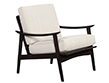
Mid-century modern furniture remains relevant because its proportions, craftsmanship, and understated elegance continue to complement contemporary living. A walnut credenza, sculptural lounge chair, or streamlined dining table can feel equally at home in a contemporary condo or a traditional residence.
What You’ll Learn About Mid-Century Modern Furniture
Mid-century modern furniture represents more than a recognizable style. It reflects a design philosophy centred around craftsmanship, practicality, and timeless form.
In this guide, you’ll learn about the origins of the movement, the characteristics that define authentic mid-century furniture, and the iconic designers who shaped the era. We also explore the materials commonly associated with MCM furniture, including walnut, teak, moulded plywood, and premium veneers.
Beyond history and craftsmanship, this guide highlights how mid-century modern furniture continues to influence contemporary interiors. From mid-century modern living room ideas to integrating vintage furniture into Toronto homes, the movement remains remarkably adaptable today.
For homeowners and collectors alike, understanding proportion, material quality, and authenticity is essential when selecting vintage mid-century furniture.
Visit the Carrocel showroom to experience our selection of mid-century modern furniture in person.
Why Mid-Century Modern Furniture Remains Popular
Mid-century modern furniture continues to resonate because its balance of simplicity, craftsmanship, and functionality remains relevant to contemporary living. Clean silhouettes, organic curves, and functional layouts create interiors that feel open, balanced, and timeless.
Unlike trend-driven styles, MCM furniture adapts naturally to a wide range of homes. A vintage walnut sideboard or sculptural lounge chair can complement minimalist condos, traditional residences, and contemporary architectural spaces alike.
Mid-century design also introduced a more livable approach to modernism. Furniture was designed around comfort and practicality without sacrificing elegance. Slimline profiles help create visual openness, while restrained detailing allows materials and craftsmanship to stand out.
Collectability also contributes to the style’s longevity. Designers such as Charles and Ray Eames, Hans Wegner, and Florence Knoll created iconic furniture that remains highly sought after today. Authentic vintage furniture continues to hold both aesthetic and monetary value because of its enduring craftsmanship and timeless design.
The origins of mid-century modern furniture are closely tied to post-war innovation, urbanization, and modernist architecture. The movement drew influence from the Bauhaus movement, which emphasized simplicity, functionalism, and accessible design.
As modern materials and manufacturing techniques evolved, designers began experimenting with moulded plywood, fibreglass, steel, and glass to create furniture that felt lighter and more sculptural. Scandinavian modernism also played a major role, introducing warm woods, craftsmanship, and human-centred proportions.
Japanese minimalism further influenced the movement through its emphasis on restraint, balance, and harmony with nature. Together, these influences shaped a style that balanced innovation with comfort and practicality.
Mid-Century Modern Furniture Characteristics
Mid-century modern furniture characteristics are defined by simplicity, proportion, and functionality. The movement emphasized clean lines and thoughtful craftsmanship rather than excessive ornamentation.
Some of the most recognizable features include tapered legs, geometric forms, organic shapes, matte finishes, and elevated profiles that create a lighter visual presence within a room. Furniture often combines natural and industrial materials, pairing walnut or teak with chrome, glass, brass, or acrylic.
Minimalist furniture became a hallmark of the movement, balancing practicality with visual sophistication. Pieces were designed to feel streamlined without appearing cold or sterile.
Walnut furniture, in particular, became synonymous with mid-century interiors because of its warmth, rich grain patterns, and timeless character.
Signature Mid-Century Materials
Material selection played a defining role in authentic mid-century furniture. Teak, walnut, oak, and rosewood became iconic because of their durability and natural warmth.
Moulded plywood was another important innovation, allowing designers such as Charles and Ray Eames to create sculptural seating with ergonomic curves and lighter forms. Brass and chrome accents introduced contrast and refinement, while glass and acrylic reflected the movement’s fascination with modernity.
Authentic wood veneer furniture also became central to mid-century craftsmanship. Premium veneers were intentionally used throughout high-end furniture design because they allowed for intricate grain matching, dimensional stability, and refined detailing. Many collectible mid-century pieces rely on veneer construction as a hallmark of quality craftsmanship.
Iconic Mid-Century Modern Designers & Furniture Pieces
The enduring influence of mid-century modern furniture is closely connected to the designers who defined the movement.
Charles and Ray Eames became known for their groundbreaking use of moulded plywood and fibreglass, most famously through the Eames Lounge Chair. Arne Jacobsen introduced sculptural seating such as the Egg Chair and Swan Chair, while Hans Wegner helped define Danish modern furniture through designs like the Wishbone Chair.
Florence Knoll reimagined residential and corporate interiors through streamlined sofas and storage pieces rooted in practicality and proportion. George Nelson and Eero Saarinen also helped shape iconic furniture design through their sculptural and modernist approaches to seating and tables.
Today, authentic pieces by these iconic mid-century designers remain highly collectible because of their craftsmanship, innovation, and lasting influence on contemporary interiors.
Iconic Colour Combinations & Patterns
Mid-century décor balanced warm walnut tones with vibrant retro colour palettes that reflected the optimism of the era. Mustard yellow, olive green, teal, burnt orange, and earthy neutrals became defining shades throughout the 1950s and 1960s.
Walnut interiors frequently grounded these colours, allowing bold upholstery and geometric patterns to feel balanced rather than overwhelming. Abstract prints, textured fabrics, and sculptural lighting added personality while maintaining visual restraint.
Even today, these colour combinations continue to complement contemporary interiors because they add warmth and character without feeling overly ornate.
Mid-Century Furniture by Room
Mid-century modern furniture integrates naturally into contemporary homes because of its balanced proportions and understated warmth.
In a mid-century modern living room, low-profile sofas, sculptural lounge chairs, walnut coffee tables, and statement lighting create interiors that feel relaxed yet refined. Mid-century dining rooms often feature warm wood tables, tapered legs, and upholstered seating that balance functionality with sculptural simplicity.
Mid-century bedroom furniture is known for its clean lines, integrated storage, and understated elegance, while home offices benefit from streamlined desks and vintage-inspired shelving that feel both practical and visually refined.
Rather than creating heavily themed interiors, many homeowners incorporate only a few statement pieces to add warmth, texture, and architectural character to a space.
Where Can I Find Mid-Century Modern Furniture in Toronto?
When shopping for mid-century modern furniture in Toronto, authenticity and craftsmanship are essential. While reproductions are widely available, authentic vintage furniture offers a level of material quality, detailing, and construction that is difficult to replicate.
Viewing furniture in person allows homeowners and collectors to better understand scale, wood grain, proportion, and craftsmanship. A curated showroom experience also makes it easier to evaluate how pieces will integrate into modern interiors.
Carrocel’s Toronto showroom features a carefully curated collection of vintage mid-century modern furniture, collectible seating, lighting, and handcrafted pieces inspired by modernist design principles.
Frequently Asked Questions About Mid-Century Modern Furniture
Mid-century modern furniture is defined by clean lines, functional forms, organic shapes, minimal ornamentation, and a balance between natural and industrial materials.
The style remains popular because of its timeless proportions, versatility, and ability to complement contemporary interiors.
Walnut, teak, oak, and rosewood are among the most commonly used woods in authentic mid-century furniture.
Authentic pieces often feature quality craftsmanship, refined joinery, premium materials, original labels, and thoughtful proportions.
Yes. Mid-century furniture integrates exceptionally well into modern interiors because of its clean silhouettes and adaptable proportions.
Curated showrooms specializing in vintage and collectible furniture, like the one at Carrocel, offer the best opportunity to experience authentic craftsmanship and evaluate quality in person.
Bring Timeless Mid-Century Modern Design Into Your Home
Mid-century modern furniture continues to shape contemporary interiors because it balances timeless craftsmanship with practical living. The movement’s emphasis on proportion, material integrity, and understated elegance allows these pieces to remain relevant across generations.
At Carrocel, curated vintage collections, handcrafted furniture, and custom design capabilities reflect an appreciation for both authenticity and modern living. From collectible walnut credenzas to sculptural lounge seating, each piece is selected for its craftsmanship, character, and enduring appeal.
For homeowners and designers seeking mid-century modern furniture in Toronto, visiting a curated showroom offers the opportunity to experience materials, scale, and craftsmanship firsthand while discovering pieces suited to contemporary interiors.
Experience a One-of-a-Kind Collection of Fine Furniture
Our 40,000 square-foot showroom in Toronto will captivate you time and time again with its sweeping displays of high-end original and custom furniture.