
What Is Art Deco Furniture? Style, Design Tips & Buying Guide
March 17, 2016 BY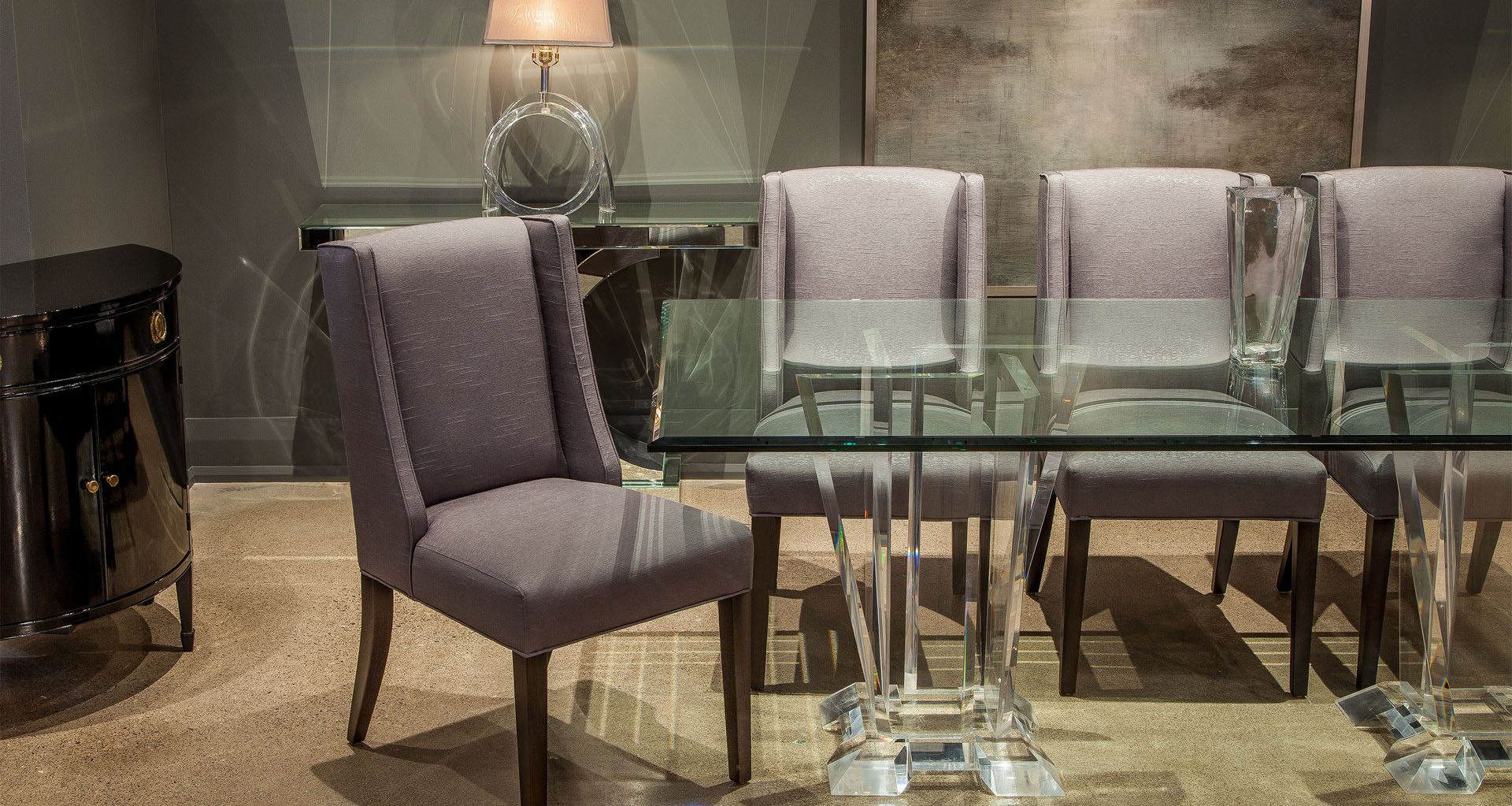
With its bold geometry, luxurious materials, and enduring craftsmanship, Art Deco furniture remains one of the most influential design styles of the twentieth century. If you’ve ever wondered what Art Deco furniture is, it is a style defined by streamlined forms, premium veneers, polished metals, and architectural elegance. Originally emerging during the 1920s and 1930s, Art Deco celebrated innovation while embracing exceptional craftsmanship, resulting in furniture that continues to complement both historic residences and contemporary interiors. Today, its timeless appeal lies in its ability to balance elegance with functionality, making Art Deco furniture a favourite among homeowners, designers, and collectors alike.
What You’ll Learn About Art Deco Furniture
Art Deco is more than a decorative style. It represents a design philosophy rooted in craftsmanship, proportion, and luxurious materials. In this guide, you’ll learn:
- What defines the Art Deco furniture style.
- How to identify Art Deco furniture through its materials, forms, and construction.
- The history behind the movement and its influence on modern design.
- The motifs, finishes, and characteristics that distinguish authentic Art Deco furniture.
- How to incorporate Art Deco into contemporary homes.
- Why the style continues to influence luxury interiors today.
Whether you’re furnishing a home or searching for a collectible piece, understanding these principles makes it easier to appreciate exceptional craftsmanship and timeless design. For further inspiration, explore Carrocel’s collection of custom dining tables, buffets & sideboards, and bespoke custom furniture.
Understanding the Art Deco Furniture Style
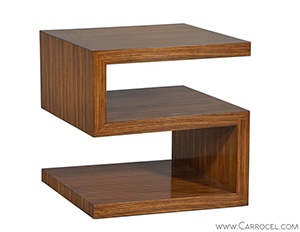
The origins of Art Deco furniture can be traced to the 1925 Exposition Internationale des Arts Décoratifs et Industriels Modernes in Paris, where designers introduced a bold vision of modern luxury. Inspired by industrial innovation, the Machine Age, architecture, Cubism, and decorative arts from around the world, Art Deco embraced clean geometry, symmetry, and refined craftsmanship over traditional ornamentation.
Furniture reflected the optimism of the era through streamlined silhouettes, dramatic veneers, polished metals, and high-quality finishes. Every piece balanced artistic expression with practical function, resulting in interiors that felt sophisticated, modern, and luxurious.
Although Art Deco reached its peak during the 1920s and 1930s, its influence continues to shape luxury furniture and interior design. Contemporary interpretations retain the movement’s emphasis on architectural forms, premium materials, and timeless elegance, making Art Deco as relevant today as it was nearly a century ago.
Characteristics of Art Deco Furniture
The defining features of Art Deco furniture combine bold architectural forms with luxurious craftsmanship. Rather than relying on elaborate decoration, the style creates visual impact through symmetry, proportion, contrasting materials, and meticulous detailing. Common characteristics include waterfall edges, mirrored finishes, high-gloss lacquer, geometric marquetry, dramatic veneers, and sculptural silhouettes that remain instantly recognizable. These defining characteristics continue to influence luxury furniture design today, appearing in everything from statement dining tables to beautifully crafted storage and bedroom furniture.
Materials
Premium materials are central to Art Deco design. Figured veneers such as Macassar ebony, walnut, and rosewood showcase striking grain patterns, while lacquer, chrome, brass, shagreen, and glass create contrast and sophistication. Rather than favouring solid wood alone, Art Deco celebrated beautifully crafted veneers for their stability, artistry, and ability to produce symmetrical grain patterns that enhanced each piece.
Lines & Forms
Art Deco furniture is distinguished by waterfall silhouettes, stepped geometry, sweeping curves, and strong architectural lines. Rounded corners are often balanced with angular structures, creating furniture that feels elegant, streamlined, and visually balanced.
Motifs & Patterns
Sunbursts, chevrons, zigzags, geometric marquetry, stylized wildlife, and repeating architectural patterns are among the movement’s most recognizable decorative elements. These motifs reinforce Art Deco’s emphasis on symmetry, rhythm, and modern design.
Art Deco vs. Art Nouveau Furniture
Although often compared, Art Deco and Art Nouveau reflect very different design philosophies. Art Nouveau celebrates flowing curves, botanical motifs, and organic forms inspired by nature, creating interiors that feel romantic and expressive. Art Deco, by contrast, embraces geometry, symmetry, luxurious materials, and architectural influence inspired by the Machine Age.
The difference extends beyond appearance. Art Nouveau emphasizes handcrafted ornamentation and fluid movement, while Art Deco focuses on precision, proportion, and refined glamour. In contemporary interiors, Art Nouveau suits decorative, traditional spaces, whereas Art Deco integrates effortlessly into modern homes thanks to its clean lines and timeless sophistication.
How to Identify Art Deco Furniture
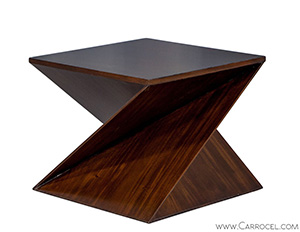
When comparing authentic and reproduction Art Deco furniture, craftsmanship remains the most important consideration. Original pieces often possess historical significance and collectible value, while well-crafted reproductions faithfully capture the movement’s defining characteristics using contemporary construction methods. Professional restoration can also preserve original veneers, finishes, and joinery, allowing exceptional vintage furniture to be enjoyed for generations.
Art Deco Design Tips for the Modern Home
Art Deco furniture integrates surprisingly well into contemporary interiors. Rather than recreating a period room, focus on a few carefully selected statement pieces and allow modern architecture to provide balance. Layer rich materials with clean surroundings, embrace symmetry without excess, and let craftsmanship become the focal point.
Create Balance with Modern Architecture
Pair sculptural furniture with clean walls, simple décor, and open layouts. A statement dining table, sideboard, or console can introduce elegance without overwhelming the space.
Use Bold Colours and Patterns
Deep emerald, sapphire, black lacquer, ivory, and metallic accents reflect the glamour of Art Deco. Introduce colour through upholstery, rugs, artwork, or decorative accessories while maintaining a balanced palette.
Layer with Contemporary Textures
Combine wood veneers with velvet, bouclé, smoked glass, brushed brass, leather, and marble to create warmth and visual depth. Layering complementary textures allows Art Deco furniture to feel both timeless and contemporary.
Let Lighting Make a Statement
Sculptural chandeliers, tiered lighting, mirrored reflections, and elegant wall sconces enhance the geometry of Art Deco interiors. Well-placed lighting highlights luxurious finishes while reinforcing the symmetry that defines the style.
Art Deco Furniture Ideas for a Perfect Look
Art Deco furniture can transform an interior without requiring an entire room to follow the style. By combining statement pieces with contemporary finishes and restrained décor, homeowners can create spaces that feel sophisticated, layered, and timeless.
-
Living Rooms
A sculptural coffee table, elegant lounge chair, or beautifully veneered cabinet can become the focal point of a living room. Pair these pieces with neutral upholstery, textured fabrics, and metallic accents to create contrast while allowing the furniture’s craftsmanship to stand out.
-
Dining Rooms
The dining room is one of the most natural settings for Art Deco furniture. A statement dining table paired with upholstered chairs, a striking sideboard, and sculptural lighting creates an inviting space for entertaining. Layer rich veneers with marble, brass, glass, and soft textiles to achieve the glamour associated with classic Art Deco interiors while maintaining a contemporary feel.
-
Bedrooms
Art Deco bedrooms embrace understated luxury. Streamlined beds, matching nightstands, elegant dressers, and mirrored accents create a cohesive retreat that feels refined without becoming overly decorative. Geometric detailing, rich veneers, and carefully selected lighting complete the space.
Beyond these traditional rooms, Art Deco furniture also works beautifully in home offices, entryways, bars, and entertaining spaces, where a distinctive desk, console, or display cabinet can introduce architectural character while complementing modern interiors.
Iconic Motifs of Art Deco Furniture Design
Art Deco’s visual identity is defined by bold geometric motifs that celebrate movement, optimism, and modernity. Sunbursts, chevrons, zigzags, stepped forms, stylized wildlife, and geometric marquetry appear throughout furniture, lighting, and decorative accessories, creating a cohesive design language that remains instantly recognizable. Rather than serving as decoration alone, these motifs reinforce the movement’s emphasis on balance, rhythm, and architectural elegance.
Materials Used in Art Deco Furniture
The elegance of Art Deco furniture comes not from a single material, but from the thoughtful way designers combined contrasting textures and finishes. Rich veneers were paired with polished metals, lacquer, stone, leather, and glass to create furniture that felt both luxurious and modern. Every material was selected to enhance proportion, symmetry, and visual impact rather than ornamentation alone.
-
Woods
Rather than using wood as a structural statement, Art Deco designers celebrated the decorative beauty of premium veneers. Highly figured species such as Macassar ebony, walnut, rosewood, and burl woods allowed craftsmen to create dramatic grain patterns, mirrored layouts, and intricate veneer work that became defining features of the style. -
Metals & Finishes
Chrome, brass, mirrored glass, lacquer, parchment, marble, and onyx introduced contrast and refinement, reflecting light while emphasizing the clean architectural lines of each piece. These layered materials gave Art Deco furniture its distinctive balance of warmth, glamour, and sophistication—a combination that continues to influence luxury furniture design today.
Why Art Deco Furniture Remains in Demand Today
Art Deco has endured because it combines timeless craftsmanship with a design language that feels remarkably contemporary. Its architectural forms, luxurious materials, and balanced proportions complement everything from heritage homes to modern condominiums, making it one of the few historic styles that integrates effortlessly into today’s interiors.
The movement continues to influence boutique hotels, luxury residences, and Hollywood Regency-inspired spaces, while its bold aesthetic has found renewed popularity through contemporary interior design and social media. Authentic vintage pieces remain highly collectible, and thoughtfully crafted modern interpretations allow homeowners to enjoy the elegance of Art Deco with the functionality expected for contemporary living.
Where to Shop for Art Deco Furniture in Toronto
For those seeking Art Deco furniture in Toronto, Carrocel offers a curated collection of authentic vintage pieces, professionally restored furnishings, and bespoke handcrafted designs. Our 40,000 sq. ft. Toronto showroom and workshop bring together one-of-a-kind furniture, expert restoration, and handcrafted design, allowing visitors to experience both exceptional collections and the craftsmanship behind them.
Discover Art Deco Furniture at Carrocel
Art Deco continues to inspire through its balance of craftsmanship, architectural beauty, and timeless elegance. At Carrocel, we honour that legacy through Carrocel Original, Carrocel Revival, and Carrocel Custom, three collections that celebrate authentic craftsmanship, timeless design, and furniture handcrafted in Canada.
For more than four decades, our family-owned company has handcrafted furniture in Canada using traditional techniques and carefully selected premium veneers, producing one-of-a-kind pieces that celebrate individuality and lasting quality. Whether you’re searching for a collectible original or commissioning a bespoke piece inspired by Art Deco, explore our custom furniture services and discover handcrafted furniture that reflects the timeless elegance and architectural sophistication of the Art Deco tradition.
One Response(s) for “What Is Art Deco Furniture? Style, Design Tips & Buying Guide”
Love the dramatic period of “ART DECO”!
~js